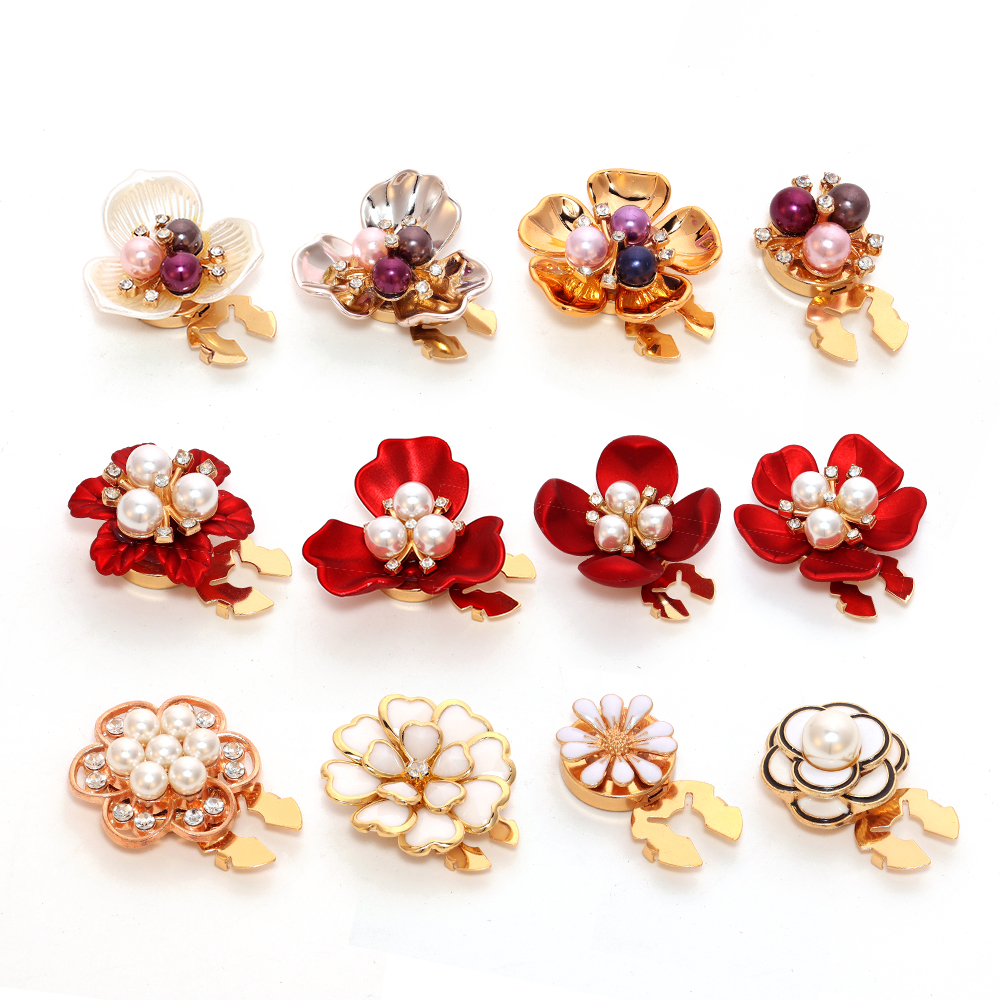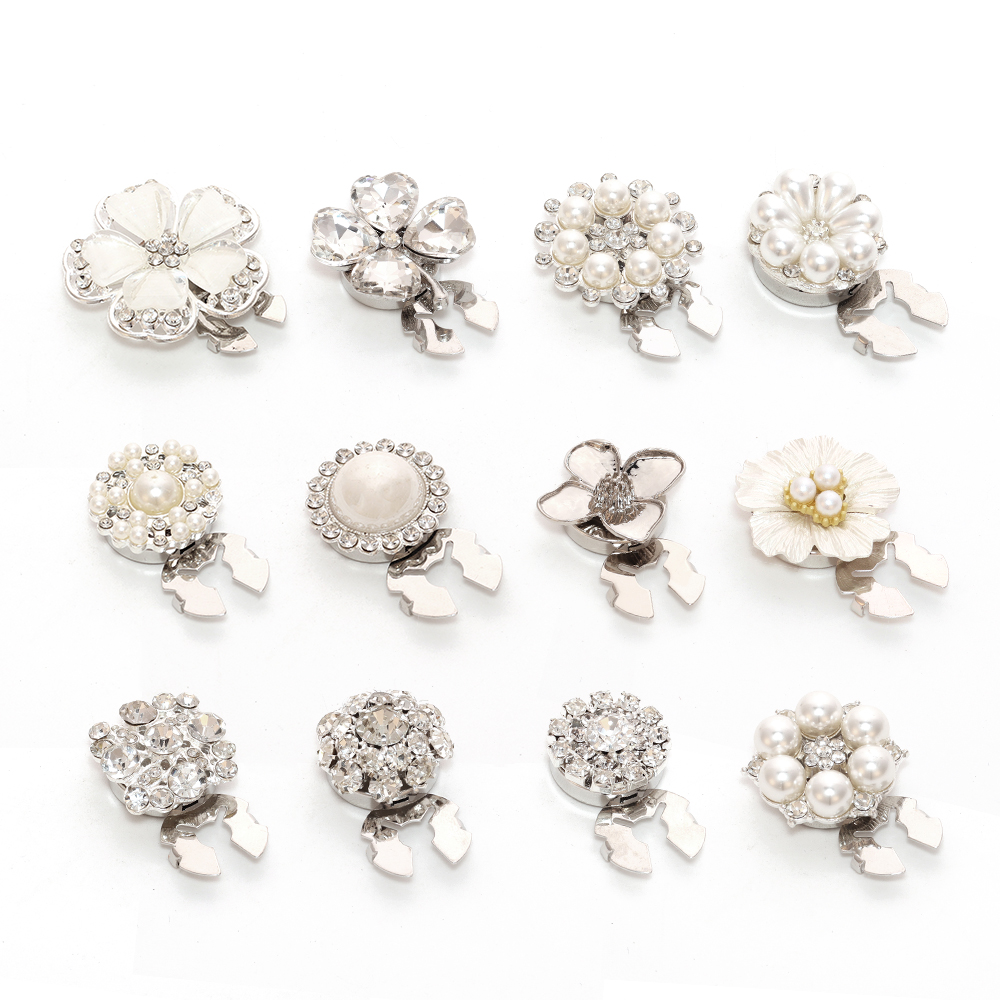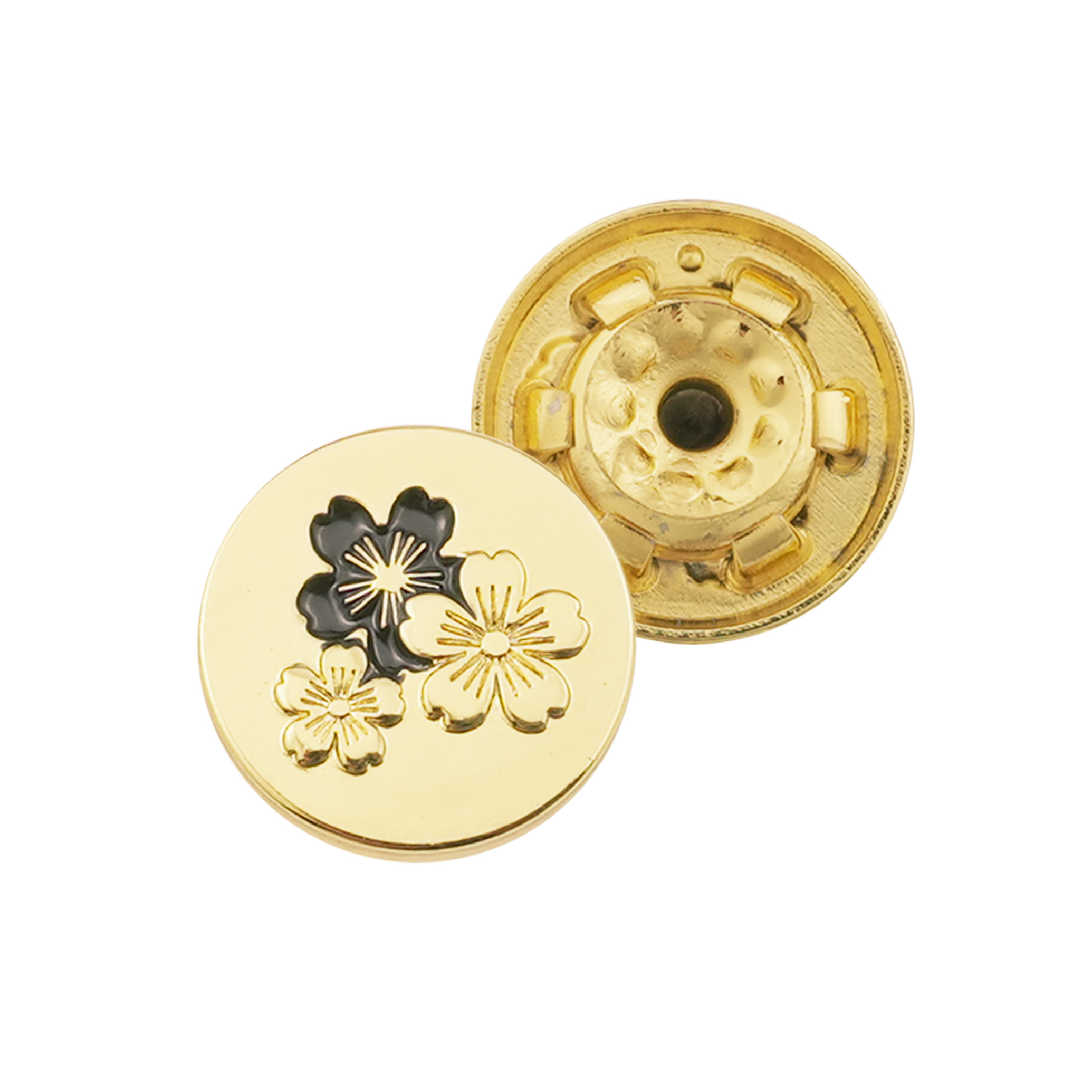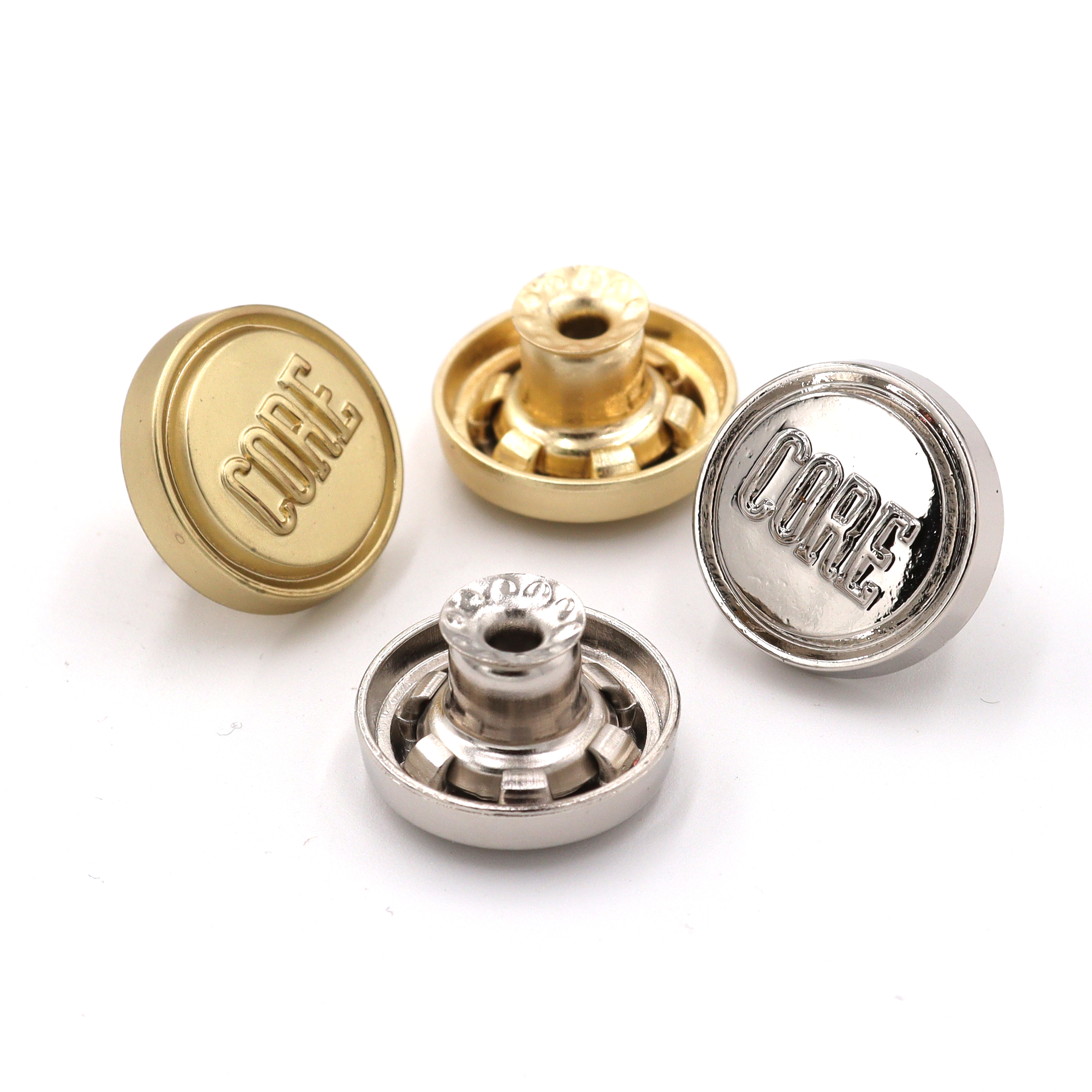
Custom Apparel Buttons: Key Specifications & Features

Leave Your Message

Get Your Custom Quote / Inquire Now for Best Rates.
Your Name
Email
Phone/WhatsApp
Message
0/1000

Custom apparel buttons

Custom apparel buttons are essential components in the garment industry, serving both functional and aesthetic purposes in clothing design. As a B2B buyer, you may be concerned about finding high-quality materials, reliable suppliers, and cost-effective solutions for your apparel lines. This article will provide valuable insights into custom apparel buttons, helping you understand key specifications, sourcing options, features, installation guidance, and common challenges faced during production.
Our Products

Where to Source Reliable Suppliers for Custom Apparel Buttons

Where to Source Reliable Suppliers for Custom Apparel Buttons

Finding trustworthy suppliers for custom apparel buttons is a critical step in your procurement process. Here are some effective strategies: 

Industry Directories: Utilize online directories like ThomasNet, Maker's Row, or Alibaba to find manufacturers specializing in garment accessories. Look for suppliers with good reviews and a strong track record in the industry. 

Trade Shows: Attend industry-specific trade shows, such as the Apparel Sourcing Show or Texworld USA. These events provide opportunities to meet suppliers face-to-face, view product samples, and assess manufacturing capabilities. 

Networking: Leverage connections within the apparel industry. Engaging with industry forums or social media groups can lead you to recommendations for reliable suppliers. 

Request for Samples: Before committing to a supplier, request samples to assess the quality and suitability of their custom clothing buttons. This step can prevent costly mistakes down the line. 

Certifications and Compliance: Ensure the suppliers meet relevant industry standards and regulations, which can vary by region. Certifications in quality management systems (e. g., ISO 9001) can indicate a supplier’s commitment to quality. 

By sourcing from reputable suppliers, you can mitigate risks related to product quality and production delays. 
Features and Cost Factors

Features and Cost Factors

Understanding the features and associated costs of custom apparel buttons can help you make informed purchasing decisions. 

Customization Options: Many manufacturers offer customization, including unique designs, colors, and finishes. Customizations typically incur additional costs, so clarify your budget and requirements upfront. 

Minimum Order Quantity (MOQ): Suppliers often have MOQs, which can vary widely. Smaller manufacturers may accommodate lower quantities, while larger ones may require bulk orders. Balancing your production needs with supplier MOQs is crucial for cost management. 

Production Capacity: Understand the supplier's production capacity to ensure they can meet your demands within your required lead times. This includes their ability to handle peak order volumes and complete production on schedule. 

Quality Control Processes: A supplier with stringent quality control measures can reduce the likelihood of defects and returns, which can be costly. Inquire about their inspection processes and quality assurance measures before placing orders. 

Shipping and Delivery Costs: Factor in shipping costs, which can vary based on the supplier's location and your delivery requirements. Consider whether the supplier can provide favorable shipping terms or if you need to arrange logistics independently. 

By carefully evaluating these features and costs, you can find a balance between quality and budget that meets your business needs. 

Installation Guidance for Custom Apparel Buttons in Garment Production

Installation Guidance for Custom Apparel Buttons in Garment Production

Proper installation of custom apparel buttons is essential for ensuring functionality and longevity. Here are key considerations for effective installation: 

Pre-Production Samples: Before mass production, always approve a sample of the button attached to the garment. This allows you to check for proper fit, alignment, and ease of use. 

Sewing Techniques: If using sew-through buttons, ensure the sewing method used is compatible with the button type. For example, a four-hole button requires different sewing techniques than a two-hole button. 

Tools Required: Ensure that your production staff is equipped with the right tools for the button installation process, such as industrial sewing machines or hand-held button machines. Using the wrong tools can lead to improper attachment and increase the risk of button failure. 

Training for Staff: Provide adequate training for staff involved in the button attachment process. Understanding the specific requirements for different button types can significantly reduce installation errors. 

Quality Checks: Implement a quality assurance process post-installation to catch any issues before the garments reach consumers. Checking for loose buttons or misalignments can prevent returns and enhance customer satisfaction. 

Following these guidelines can streamline your production process and ensure the durability of your garments. 

Common Problems with Custom Apparel Buttons and Effective Solutions

Several challenges can arise during the production and application of custom apparel buttons. Here are some common issues and how to address them: 

Button Detachment: One of the most significant problems is buttons detaching from garments, often due to improper installation or inadequate attachment methods. To mitigate this, confirm proper sewing techniques and use robust attachment mechanisms designed for the button type. 

Material Compatibility: Buttons made from incompatible materials may not perform well. For instance, plastic buttons used on heavy fabrics can lead to breakage due to stress. Always assess the suitability of materials based on the garment application. 

Finish Wear: Over time, button finishes may wear off, particularly in high-friction areas. When selecting buttons, consider finishes that offer durability under stress, such as powder coating or electroplating. 

Sizing Issues: Buttons that are too large or too small for the intended application can negatively impact garment functionality. Always verify button sizing against the design specifications before production begins. 

Color Matching: Variations in color between button batches can lead to inconsistencies in the final product. To avoid this, request color samples and approve them before mass production, ensuring all buttons match the garment’s color scheme. 

By proactively addressing these common problems, you can improve the overall quality of your apparel products and enhance customer satisfaction.   

Key Specifications to Consider

When selecting custom apparel buttons, several specifications play a crucial role in their performance and application. 

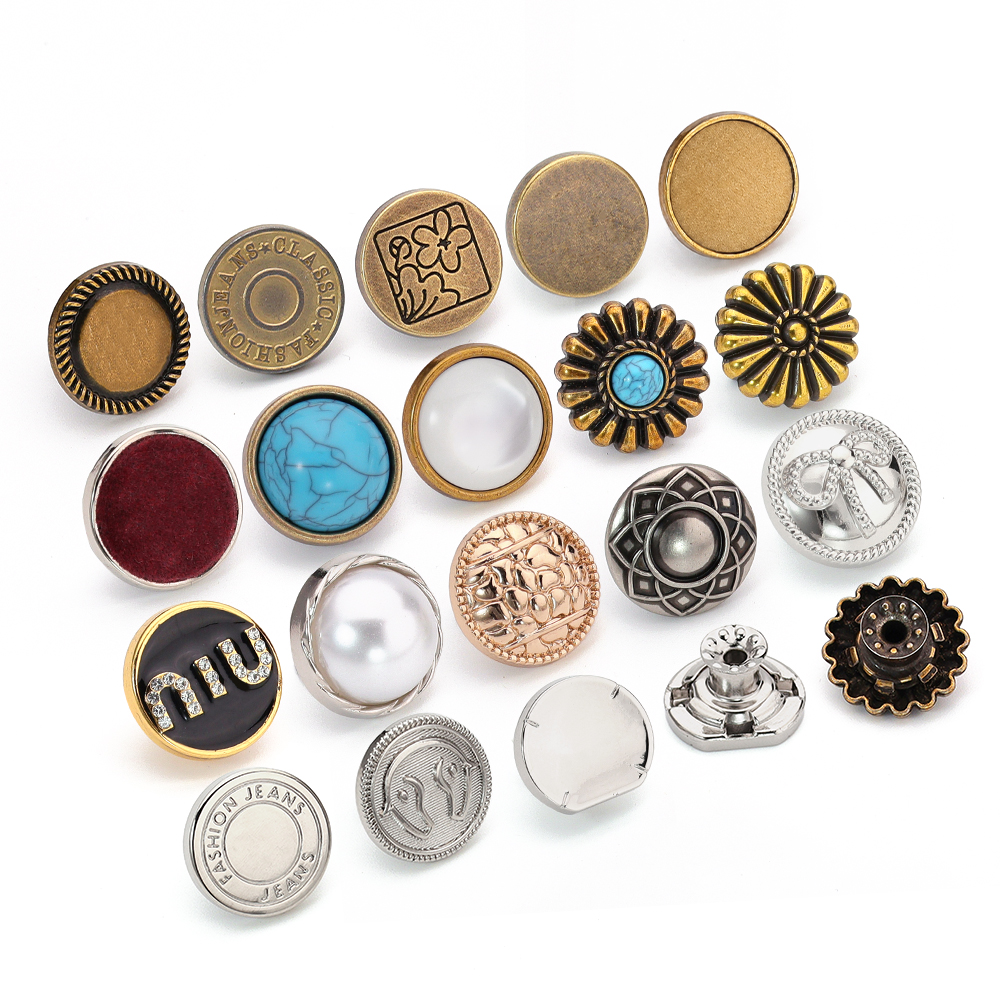
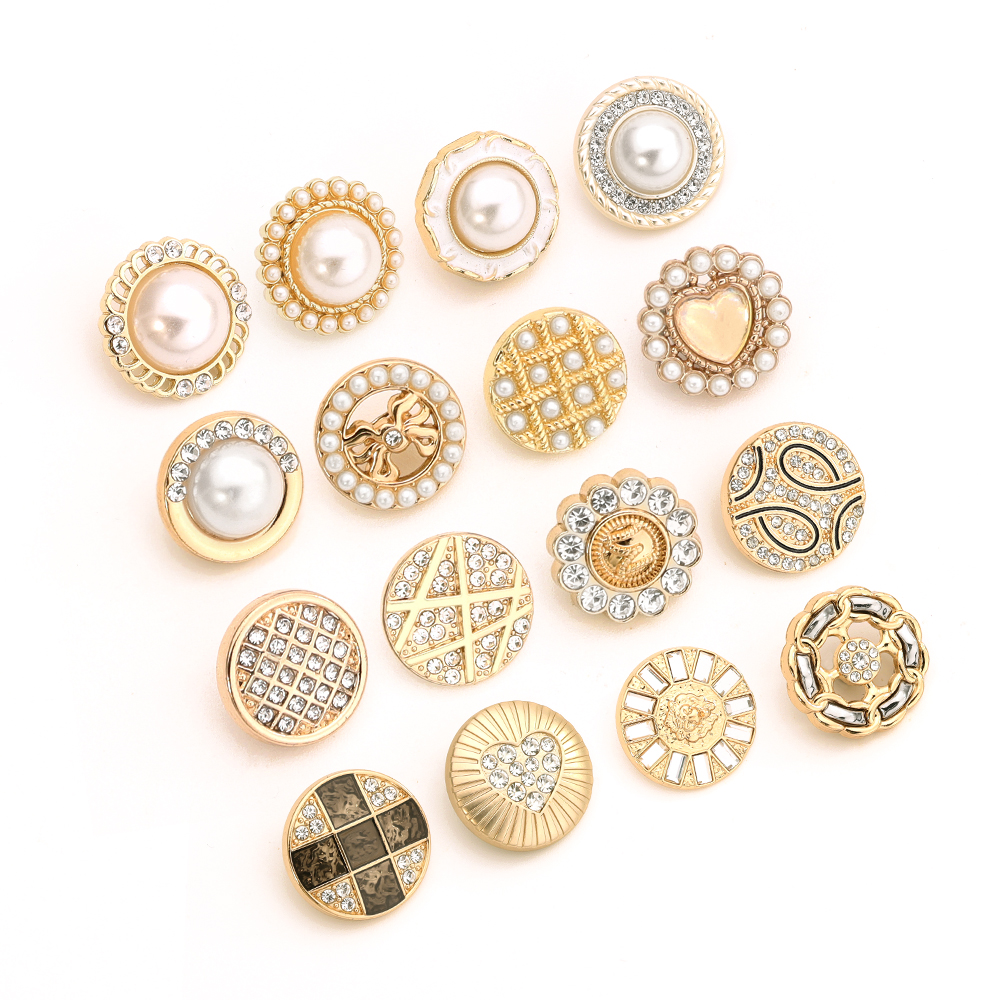
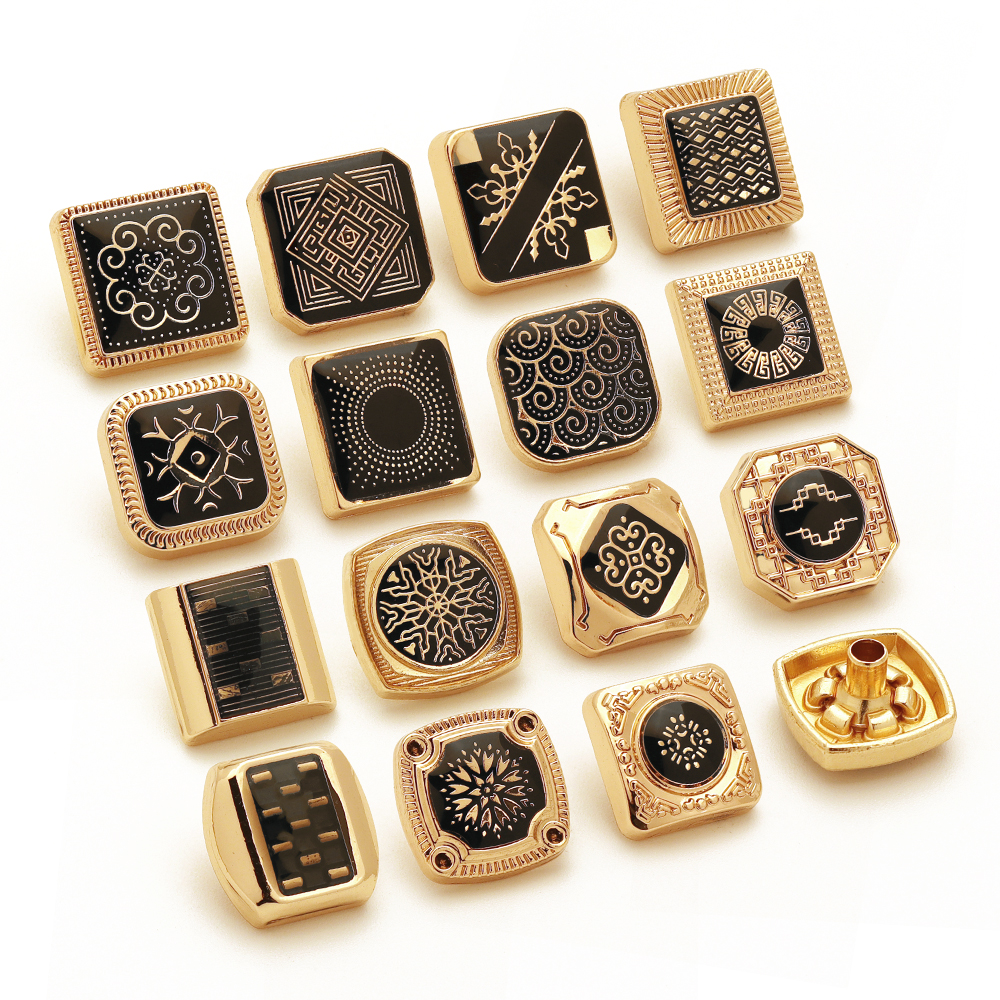
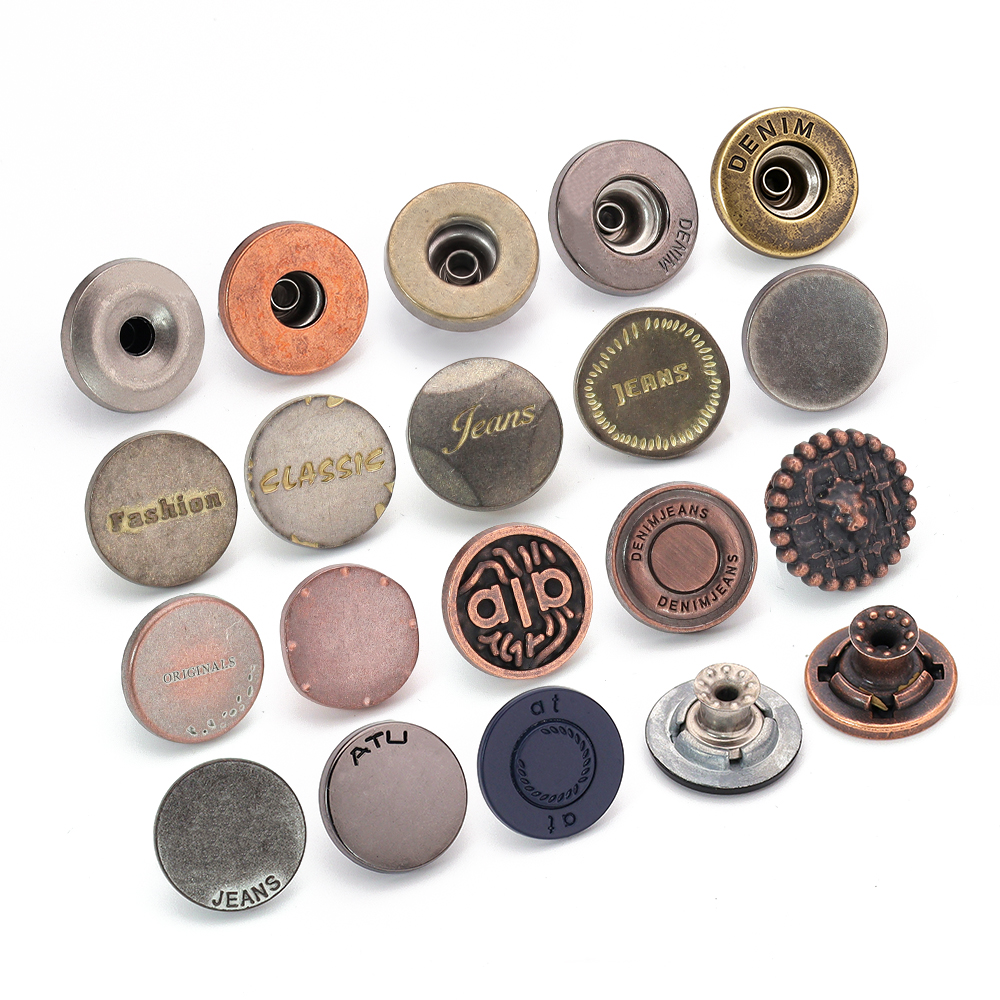
Material: Common materials for custom buttons include metal, plastic, and wood. Metal buttons often provide superior durability and a premium look, while plastic buttons can offer lighter weight and a variety of colors. Consider the end-use of the garment, customized buttons for jeans may require a different material than those for dress shirts. 

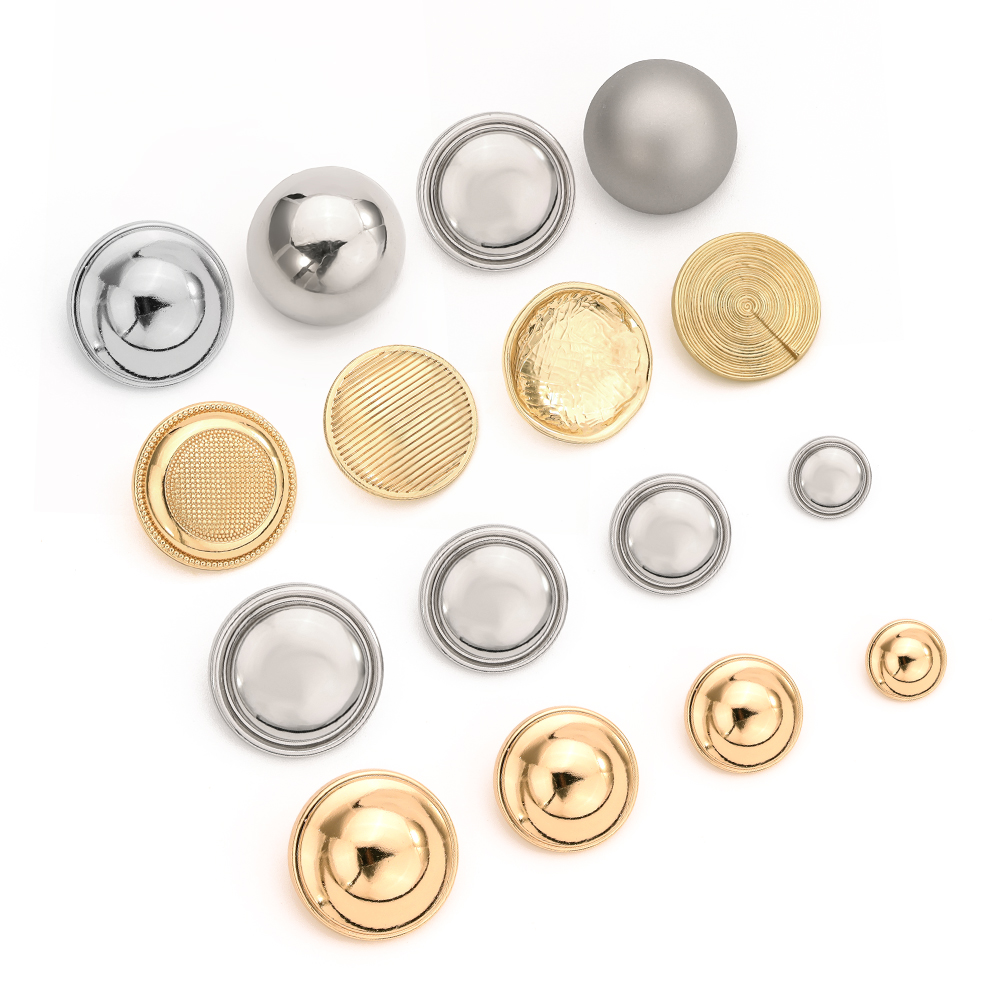
Size and Shape: Dimensions significantly affect both appearance and functionality. Standard sizes can range from 10mm to 30mm in diameter, but custom sizes may be necessary for specific designs. The shape, whether round, square, or unique, influences the button’s aesthetic and usability. 

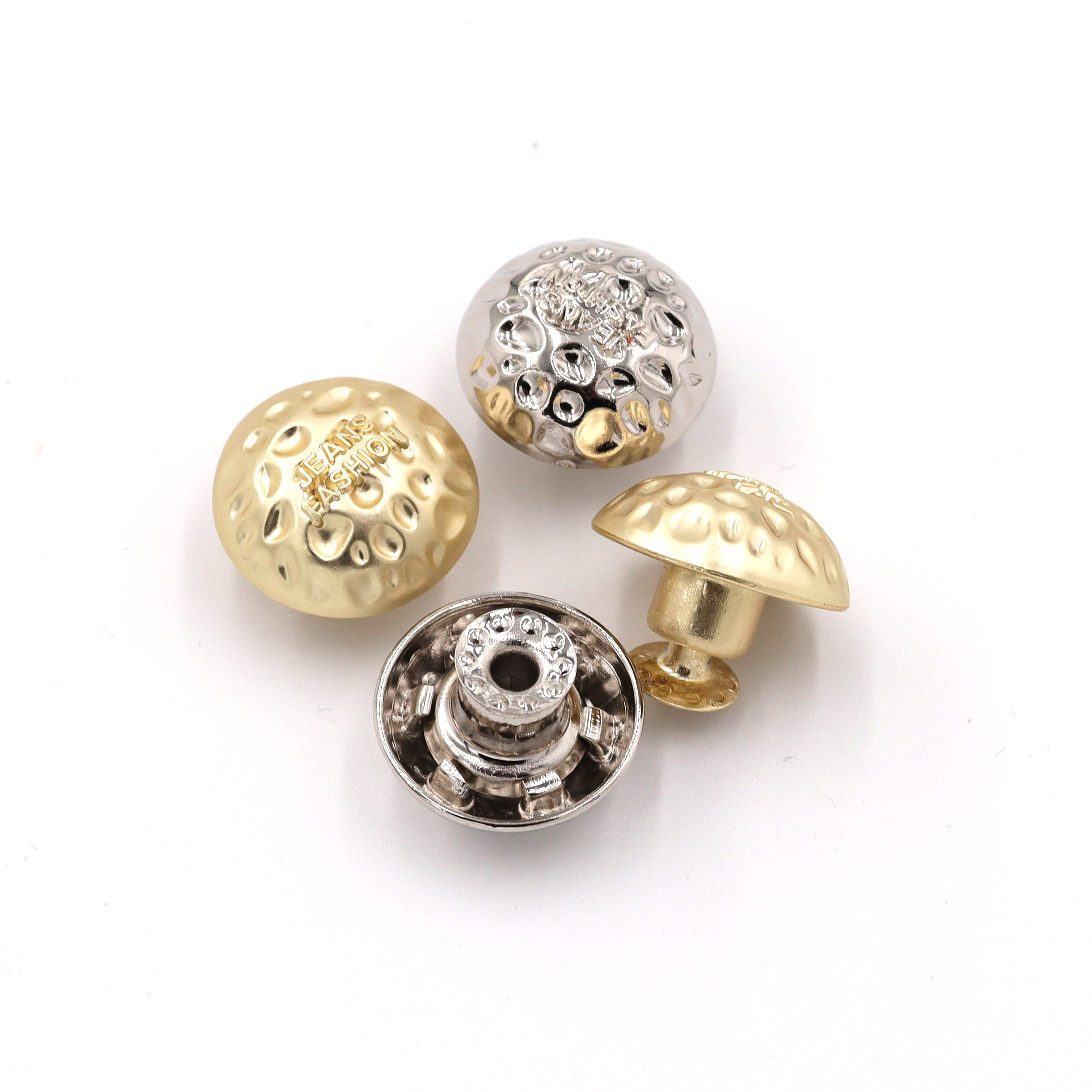
Finish: The surface finish can enhance durability and appearance. Options include plating, painting, or polishing, each affecting the button's resistance to wear, corrosion, and tarnishing. For instance, a brass button with a nickel plating may offer a shiny finish while resisting oxidation. 

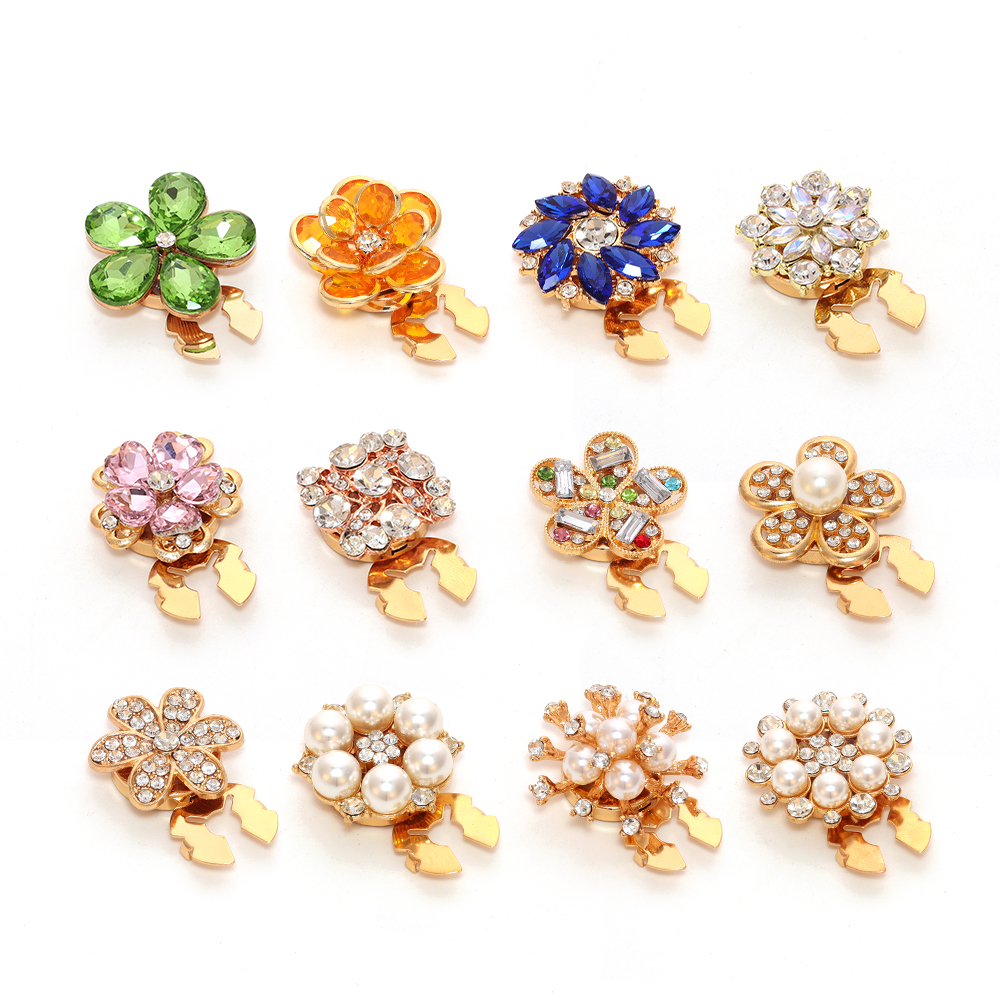
Attachment Mechanism: The method of attaching buttons to garments such as sew-through, shank, or snap, impacts both the button’s functionality and the garment's overall design. Understanding the intended attachment process is vital for ensuring compatibility with your production methods. 

Weight and Thickness: These parameters can influence the garment's drape and feel. Heavier Thobe Snap Button may provide a more substantial finish to outerwear, while lighter buttons may be appropriate for delicate fabrics. 

Confirming these specifications before placing an order is essential to ensure the buttons meet both design and functional requirements. 

Leave Your Message

Get Your Custom Quote / Inquire Now for Best Rates.
Your Name
Email
Phone/WhatsApp
Message
0/1000

Related product categories

Custom Apparel Buttons: Key Specifications & Features

Leave Your Message

Get Your Custom Quote / Inquire Now for Best Rates.
Your Name
Email
Phone/WhatsApp
Message
0/1000