Essential Guide to Metal Zipper Sliders for Buyers

Leave Your Message

Get Your Custom Quote / Inquire Now for Best Rates.
Your Name
Email
Phone/WhatsApp
Message
0/1000

metal zipper slider

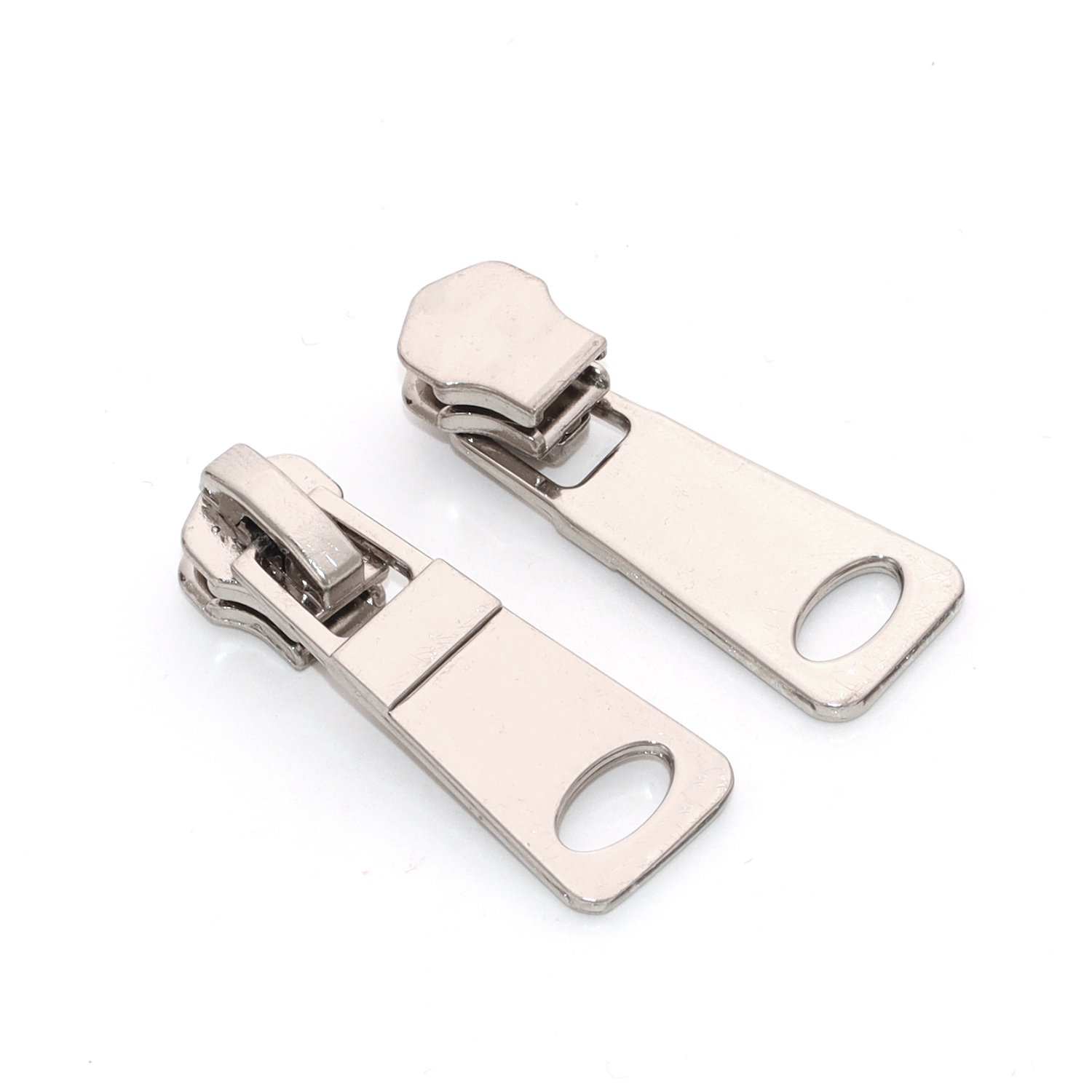
Metal zipper  sliders are  essential components in  the garment industry, serving  as the mechanism that facilitates the  opening  and closing of zippers. For  B2B buyers,  such as purchasing  managers and product developers, understanding the intricacies of metal zipper sliders is crucial  for ensuring product quality and functionality. This article will  guide you through key  considerations when evaluating  metal zipper sliders, including cost factors, common issues, installation guidance, and  material  comparisons. By the end, you'll  be better  equipped  to make informed purchasing decisions that  align with your company's needs.
 
Understanding the Cost Factors for Metal Zipper Sliders in Bulk Orders

Understanding the Cost Factors for Metal Zipper Sliders in Bulk Orders

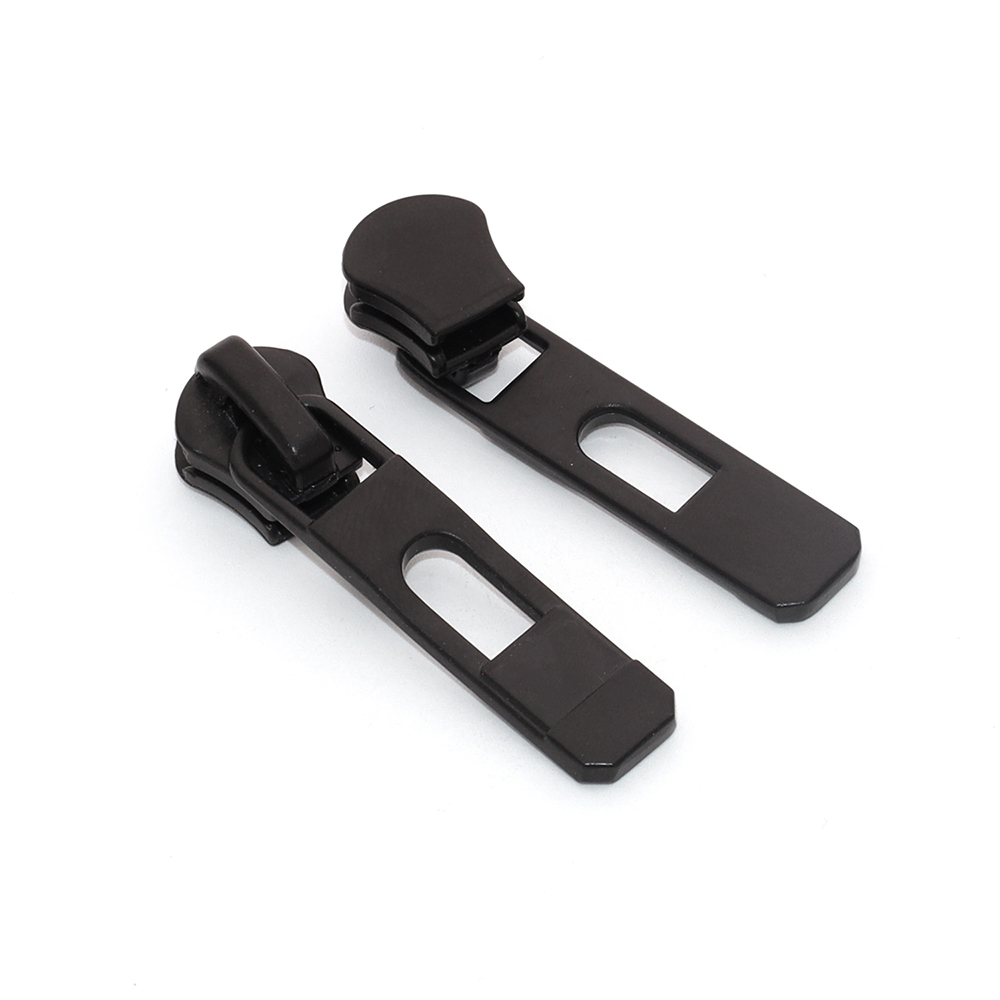
The pricing of  metal zipper sliders is influenced  by several factors, particularly when ordering  in bulk.  Key elements that affect cost include material choice, complexity of design, and order quantity.  For example, zinc alloy sliders may present  a lower unit cost compared to brass sliders,  but the choice should also  reflect the  desired quality and  end-use.

Customization is another significant cost factor. Custom  designs  or finishes may incur additional  fees,  while standard models are generally more cost-effective.  Bulk orders often qualify for volume discounts, but buyers must also consider minimum order quantities (MOQs), which can vary by supplier. Understanding these cost structures will help you budget effectively and align your purchasing  strategy with your company’s  financial goals.

Finally, lead times can affect overall costs, especially if expedited shipping is required. Buyers should communicate their  timelines clearly to suppliers to avoid  unexpected delays that could impact production  schedules.
Common Problems with Metal Zipper Sliders and Effective Solutions

Common Problems with Metal Zipper Sliders and Effective Solutions

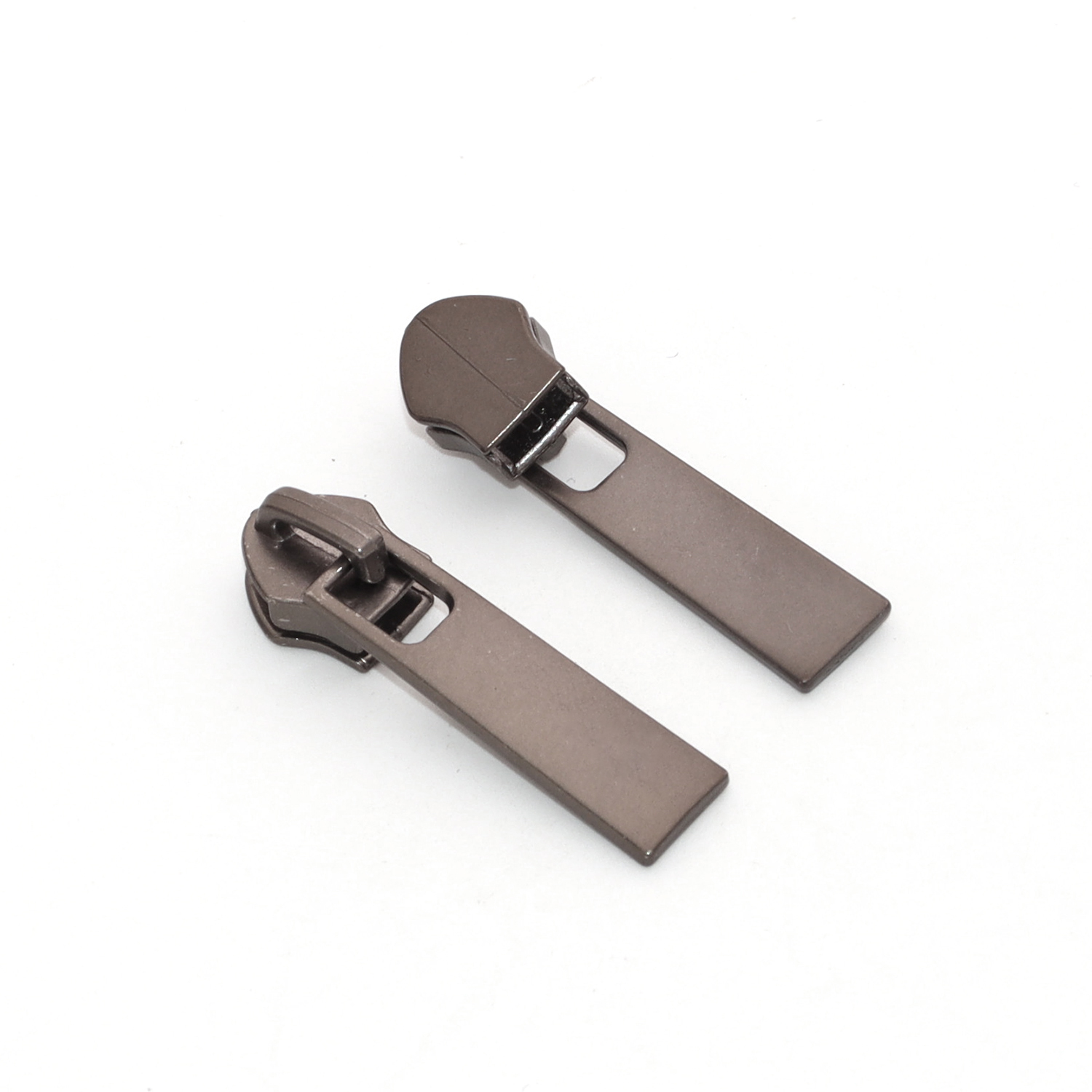
Metal zipper sliders  can encounter several issues that may affect  their performance. Common problems include misalignment, jamming,  and  corrosion.  Misalignment often  occurs during the  installation  process or due to improper handling, leading to a slider that cannot smoothly operate. To mitigate this, it is  essential  to instruct production teams  on proper handling and installation techniques.

Jamming is another  frequent complaint, often resulting from debris or wear on the slider or teeth. Regular maintenance and proper cleaning of zippers can help prevent this issue. Additionally, selecting high-quality sliders that feature smoother movement  and robust construction can reduce the likelihood of jamming.

Corrosion, especially in humid or wet  environments,  can compromise the functionality and appearance of metal  zipper sliders. Buyers should consider materials with inherent corrosion resistance, such as  brass, or opt for plated finishes that offer added protection. Regular quality inspections during production can also help identify  potential issues early, reducing  the likelihood of problems in the final  product.

Installation Guidance for Metal Zipper Sliders in Garment Production

Installation Guidance for Metal Zipper Sliders in Garment Production

Correct installation of metal zipper sliders  is crucial for ensuring  their functionality and longevity. Before installation, it is essential to inspect the sliders for defects  and confirm that they match the specifications provided. A  visual inspection should include checking for  any scratches,  misalignments, or manufacturing flaws that could affect performance.

During installation,  following the manufacturer's guidelines is vital. Ensure that the metal zipper sliders are aligned correctly with the zipper tape to prevent misalignment. Using proper tools and  techniques, such  as applying consistent pressure and ensuring straight stitching, can enhance the  overall  durability of the  zipper assembly.

After installation, it’s advisable to conduct  functional tests  to verify that the sliders operate smoothly. This step is often overlooked but is essential for  catching  any issues before mass production. A well-installed zipper  not only  improves  the aesthetic value of the garment  but also enhances user experience.

Comparing Material Advantages of Different Metal Zipper Sliders

The choice of material for metal zipper sliders can significantly impact their performance and suitability  for  specific  applications. Here’s a comparative overview of  common materials used for zipper sliders:

Zinc Alloy: Known for its cost-effectiveness and  ease of manufacturing, zinc alloy sliders are lightweight and can be produced in various designs. However, they may have  lower corrosion resistance compared to other metals.

Brass: Renowned for its durability and corrosion resistance, brass sliders are often used in  high-end applications, such as  leather goods and upscale  apparel. Their aesthetic appeal and strength make them a preferred choice for many  manufacturers.

Aluminum: Aluminum sliders are lightweight and resistant to  rust, making them ideal for outdoor applications or items exposed to moisture. They  can be anodized for additional protection and color options.

Stainless Steel: Although less common,  stainless steel sliders offer excellent  strength and corrosion resistance. They are suitable for heavy-duty applications but may be heavier than other options.

When selecting a material, buyers should consider the specific requirements of their applications,  such as exposure  to moisture, weight restrictions,  and desired aesthetics. Each material offers unique benefits, and the decision should align with the overall garment design and end-use environment. Furthermore, incorporating additional features like Brooch Pin can add an extra touch to your final product.

In summary, understanding the nuances of metal zipper sliders can significantly enhance your procurement process. By considering specifications, pricing factors,  common issues, installation practices,  and material advantages, buyers can make informed decisions that meet both quality standards and production requirements.


What Buyers Need to Know

When sourcing metal zipper sliders, buyers should prioritize several key factors to ensure  product suitability. First, specifications such as dimensions,  weight ratings,  and compatibility with various zipper types are  critical. Metal zipper  sliders come  in various sizes  and styles, which can affect their performance in different  applications, such  as clothing, bags, or industrial gear. Additionally, considering accessories like Zipper can further enhance the functionality of your products.

Another vital consideration is the material used in the slider. Common materials include  zinc alloy, aluminum, and brass, each offering distinct  advantages in terms of strength,  durability, and aesthetic appeal. For instance, brass sliders are known for their corrosion resistance and visual appeal,  making them a popular choice for high-end  apparel. Additionally, buyers should evaluate the manufacturing processes, including die-casting and plating, which can impact the quality and finish of the sliders.

Lastly,  understanding the manufacturer's experience  and quality control  processes is essential. A  reliable supplier should provide documentation  on their manufacturing  capabilities, certifications, and quality assurance measures to build trust and ensure product consistency.

Frequently Asked Questions

What materials are used for your metal zipper sliders?

Our metal zipper sliders are made from high-quality die-cast alloys with durable plating and finishing to resist corrosion and wear, suitable for garments and heavy-duty applications.
Yes. We offer custom shapes, sizes, logos, and finishes through our die-casting and plating processes to meet brand specifications and functional requirements.
We provide various finishes including nickel, antique, brass, gunmetal, and custom plating with protective coatings for aesthetic and functional durability.
Lead times vary by quantity and customization. Commonly 15–35 business days after sample approval; expedited options may be available for urgent orders.
Yes. We offer pre-production samples for approval and maintain strict quality control throughout production, ensuring consistency and export-ready packing for apparel brands.

Leave Your Message

Get Your Custom Quote / Inquire Now for Best Rates.
Your Name
Email
Phone/WhatsApp
Message
0/1000

Related product categories

Essential Guide to Metal Zipper Sliders for Buyers

Leave Your Message

Get Your Custom Quote / Inquire Now for Best Rates.
Your Name
Email
Phone/WhatsApp
Message
0/1000