Choosing Custom Clothing Buttons for Apparel Lines

Leave Your Message

Get Your Custom Quote / Inquire Now for Best Rates.
Your Name
Email
Phone/WhatsApp
Message
0/1000

Custom clothing buttons

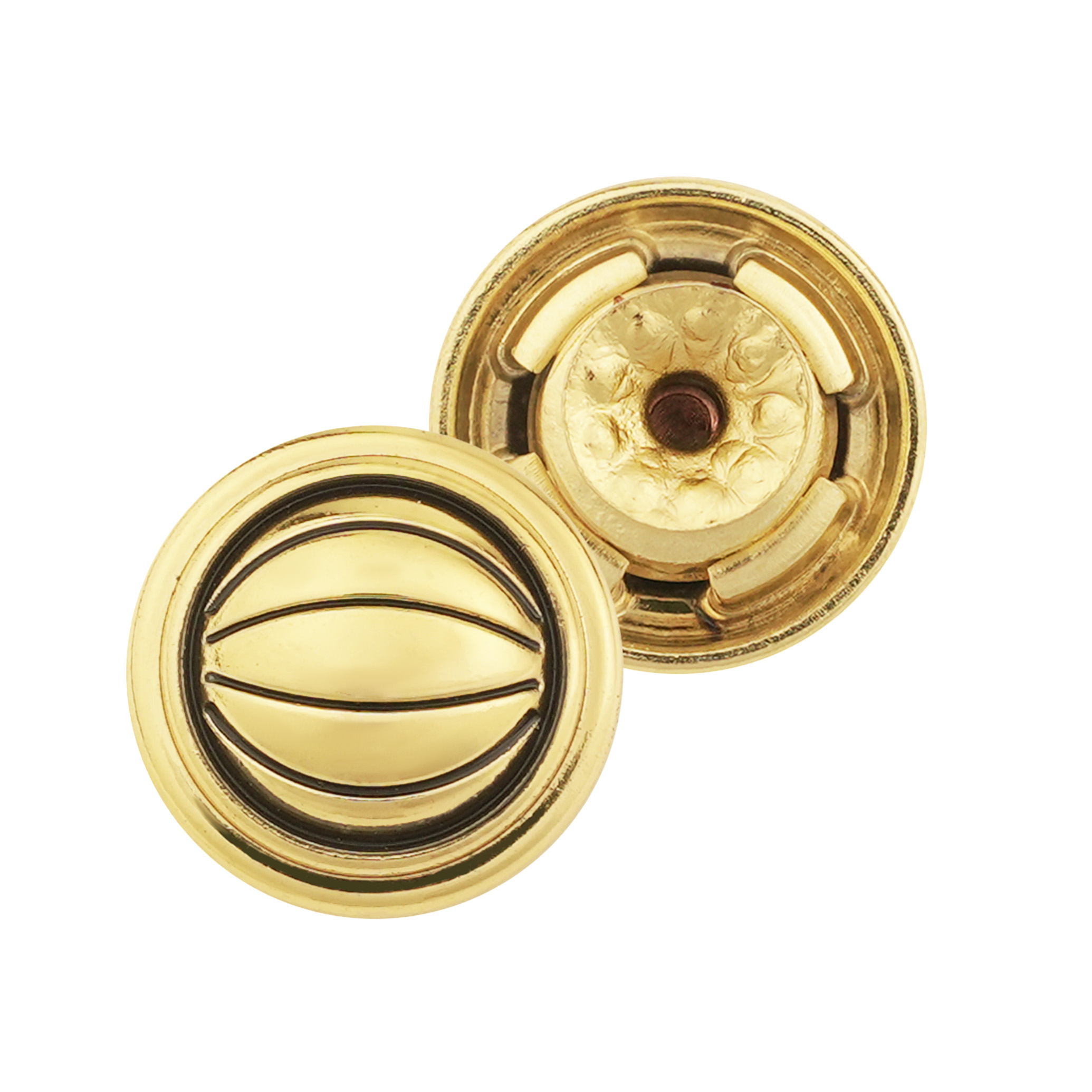
When it comes to enhancing the aesthetic and functional qualities of apparel, custom clothing buttons play a crucial role. These essential garment accessories not only serve as fasteners but also contribute to the overall design and branding of clothing lines. As a buyer, understanding the nuances of selecting, sourcing, and evaluating custom clothing buttons is key to ensuring product quality and satisfaction. This article will guide you through the critical aspects of choosing the right custom clothing buttons for your apparel line, sourcing reliable suppliers, evaluating quality standards, considering cost factors, and addressing common problems associated with custom Thobe Snap Button

Our Products

Sourcing Reliable Suppliers

Sourcing Reliable Suppliers

Finding a trustworthy supplier for custom clothing buttons is vital for maintaining quality and consistency in your products. Start by researching manufacturers who specialize in metal garment accessories, such as Fujian Jin Yi Hardware Co., Ltd., known for its expertise in die-casting, plating, and finishing. Look for suppliers with a solid track record in the industry, as years of experience often translate to better quality control and customer service. 

When evaluating potential suppliers, consider their production capacity, minimum order quantities (MOQ), and customization capabilities. A reliable supplier should be able to provide samples for approval before full production begins. This step is crucial, as it allows you to assess not only the quality of the buttons but also their compatibility with your garment designs. It's also beneficial to check for any certifications that reflect a commitment to quality standards and ethical manufacturing practices.
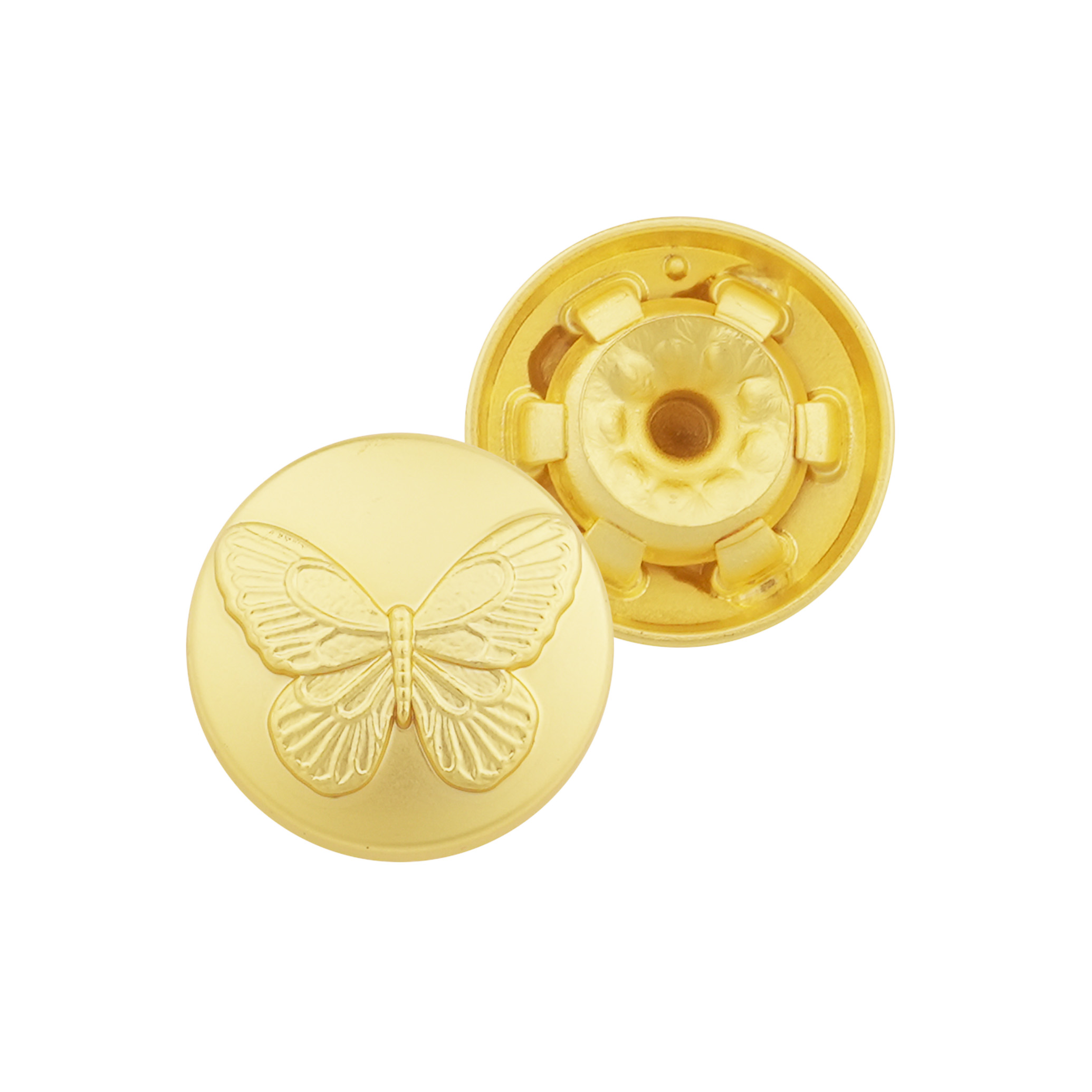
Evaluating Quality Standards in Custom Clothing Buttons

Evaluating Quality Standards in Custom Clothing Buttons

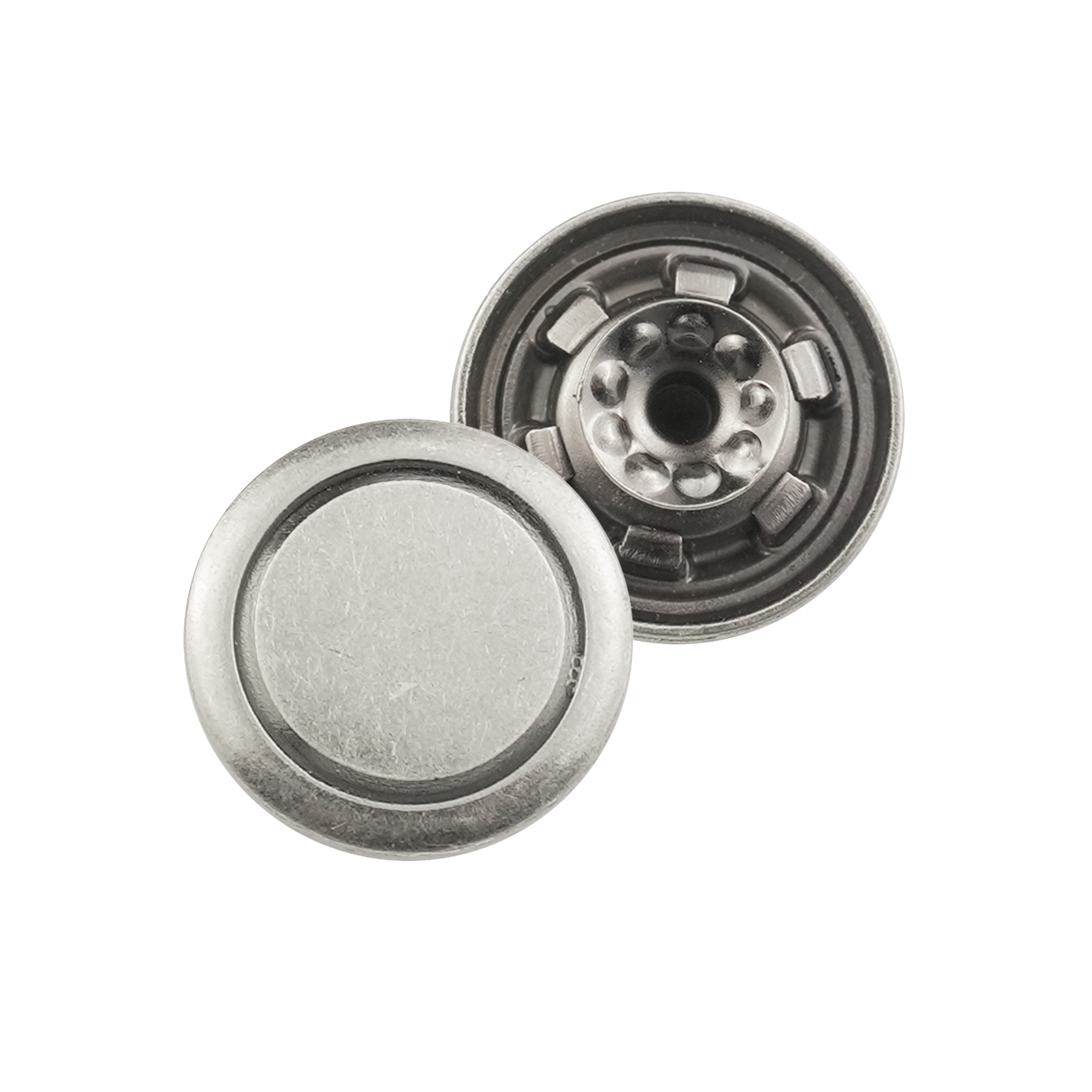
Quality is paramount when it comes to JINYI custom clothing buttons. To ensure that the buttons meet your standards, consider the following quality factors: 

Material Specifications: Verify that the materials used are appropriate for your application. For example, metal buttons should be corrosion-resistant if intended for outdoor wear. 

Dimensional Accuracy: Check that the dimensions of the buttons conform to your specifications. Inaccurate dimensions can lead to production issues and affect the garment's fit. 

Finish and Coating: Evaluate the surface finish of the buttons. A high-quality finish not only enhances the appearance but also protects against wear and tear. 

Durability Testing: Inquire about any testing conducted to assess the performance of the buttons under various conditions, such as stress tests for durability and colorfastness tests for dye stability. 

Quality Control Processes: Understand the supplier’s quality control measures. Regular inspections and testing during the manufacturing process can help identify defects early and reduce the risk of receiving subpar products.

Cost Factors to Consider When Ordering Custom Clothing Buttons

Cost Factors to Consider When Ordering Custom Clothing Buttons

The cost of JINYI custom clothing buttons can vary significantly based on several factors. First, consider the material; metal buttons typically cost more than plastic alternatives due to raw material prices and the production processes involved. 

Next, the complexity of the design can impact pricing. Intricate or highly customized buttons often require specialized manufacturing techniques, which may increase costs. Additionally, the MOQ will influence your total expenditure — larger orders can often reduce the unit price, but they may require a greater upfront investment. 

Shipping and handling should not be overlooked either. Depending on your location and the supplier's, freight costs can vary, potentially affecting the overall budget. Always request a comprehensive quote that includes all these factors to avoid surprises later in the purchasing process.

Common Problems with Custom Clothing Buttons and Their Solutions

Despite careful planning and sourcing, common issues can arise with JINYI custom clothing buttons. Here are some challenges and their solutions: 

Inconsistent Quality: Variability in button quality can occur between batches. To mitigate this, it is advisable to establish stringent quality control measures and conduct regular audits of your supplier’s production processes. 

Delayed Deliveries: Timely delivery is crucial for maintaining your production schedule. Always confirm lead times before placing an order, and consider suppliers who can provide consistent delivery schedules. Having backup suppliers can also help you avoid disruptions. 

Sample Approval Issues: Sometimes, the final product does not match approved samples. To prevent this, ensure that the sample review includes not just the visual aspects but also functional testing under real-world conditions. 

Compatibility Issues: Buttons must match the fabric and style of the garment. Providing detailed specifications and conducting thorough evaluations on prototypes can help ensure compatibility. 

Surface Damage: Button surfaces can get scratched or damaged during transport. Work with your supplier to establish proper packaging methods that protect the buttons during shipping. 

By being aware of these common problems and implementing strategies to address them, buyers can significantly enhance their experience with custom clothing buttons and improve overall product quality. 

In summary, understanding the multifaceted aspects of Shank Button – from selection and sourcing to quality evaluation and cost considerations – is essential for any apparel business. This knowledge not only aids in making informed purchasing decisions but also helps in aligning product offerings with market demands. 

Choosing the Right Custom Clothing Buttons for Your Apparel Line

Selecting the right custom clothing buttons involves several factors, including material, size, design, and functionality. Common materials for buttons include metal, plastic, and natural fibers. Metal buttons, for instance, are often used for their durability and upscale appearance, making them ideal for jeans and outerwear. Buyers should consider the intended use of the garment; for example, lightweight plastic buttons may be suitable for casual shirts, while heavier metal buttons might be necessary for jackets. 

Design is another critical factor. Customization options allow for unique shapes, colors, and finishes that can align with your brand identity. It's essential to collaborate closely with your supplier to develop button designs that complement your apparel line without compromising functionality. Additionally, you should confirm the dimensions to ensure they fit your garment specifications accurately, as a customized buttons that is too large or small can affect both the look and usability of the apparel.

Leave Your Message

Get Your Custom Quote / Inquire Now for Best Rates.
Your Name
Email
Phone/WhatsApp
Message
0/1000

Related product categories

Choosing Custom Clothing Buttons for Apparel Lines

Leave Your Message

Get Your Custom Quote / Inquire Now for Best Rates.
Your Name
Email
Phone/WhatsApp
Message
0/1000